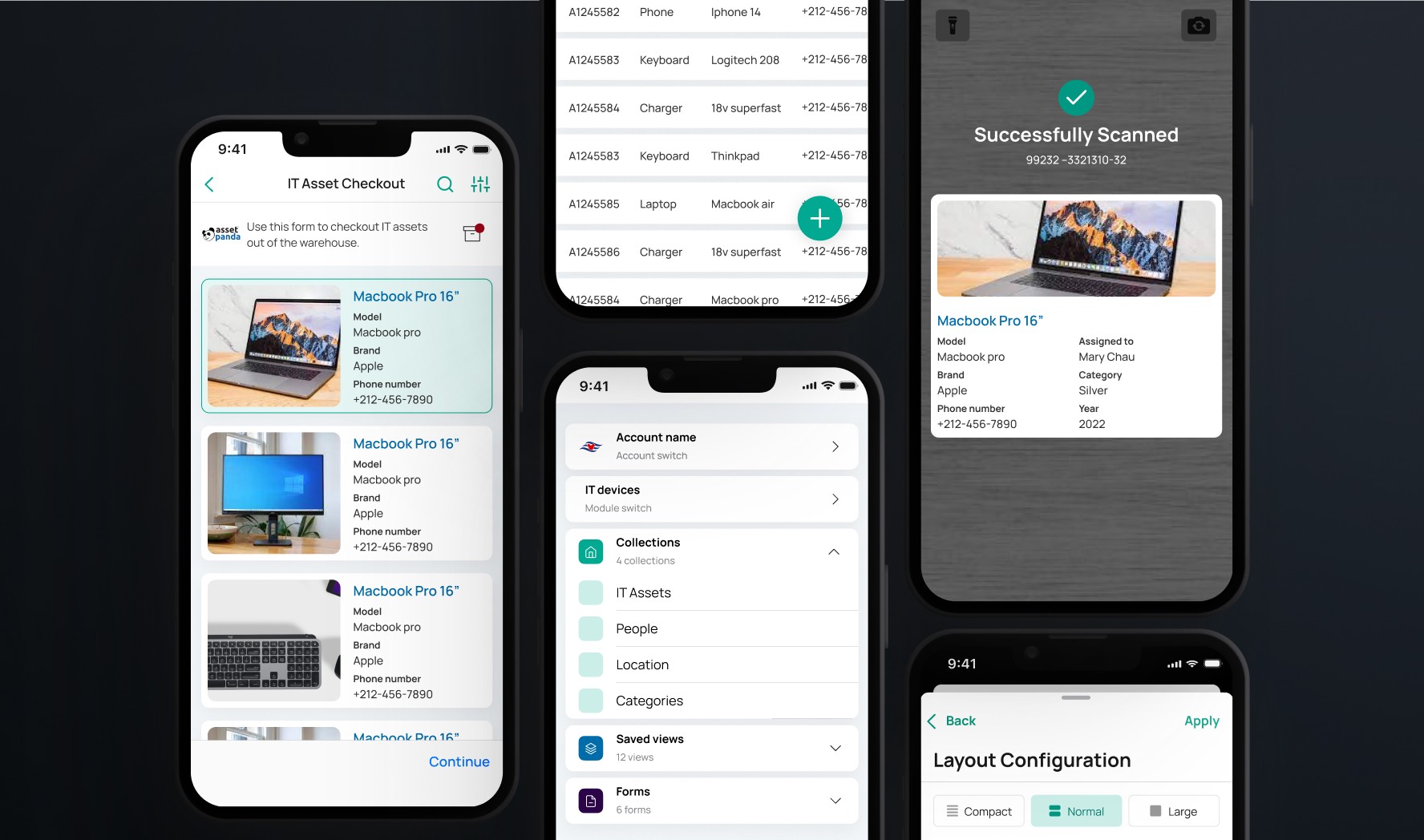
Designing for an Agnostic System at Scale
AssetPanda is a Software-as-a-Service (SaaS) platform to manage lifecycle of assets.The platform helps Enterprises, Small & Medium Businesses (SMBs) and Consumer owners of assets identify, register, manage and dispose assets.
INTRODUCTION
Client
Asset Panda
Role
Web Design & Mobile Design
Timeline
24 Weeks
Website
assetpanda.com
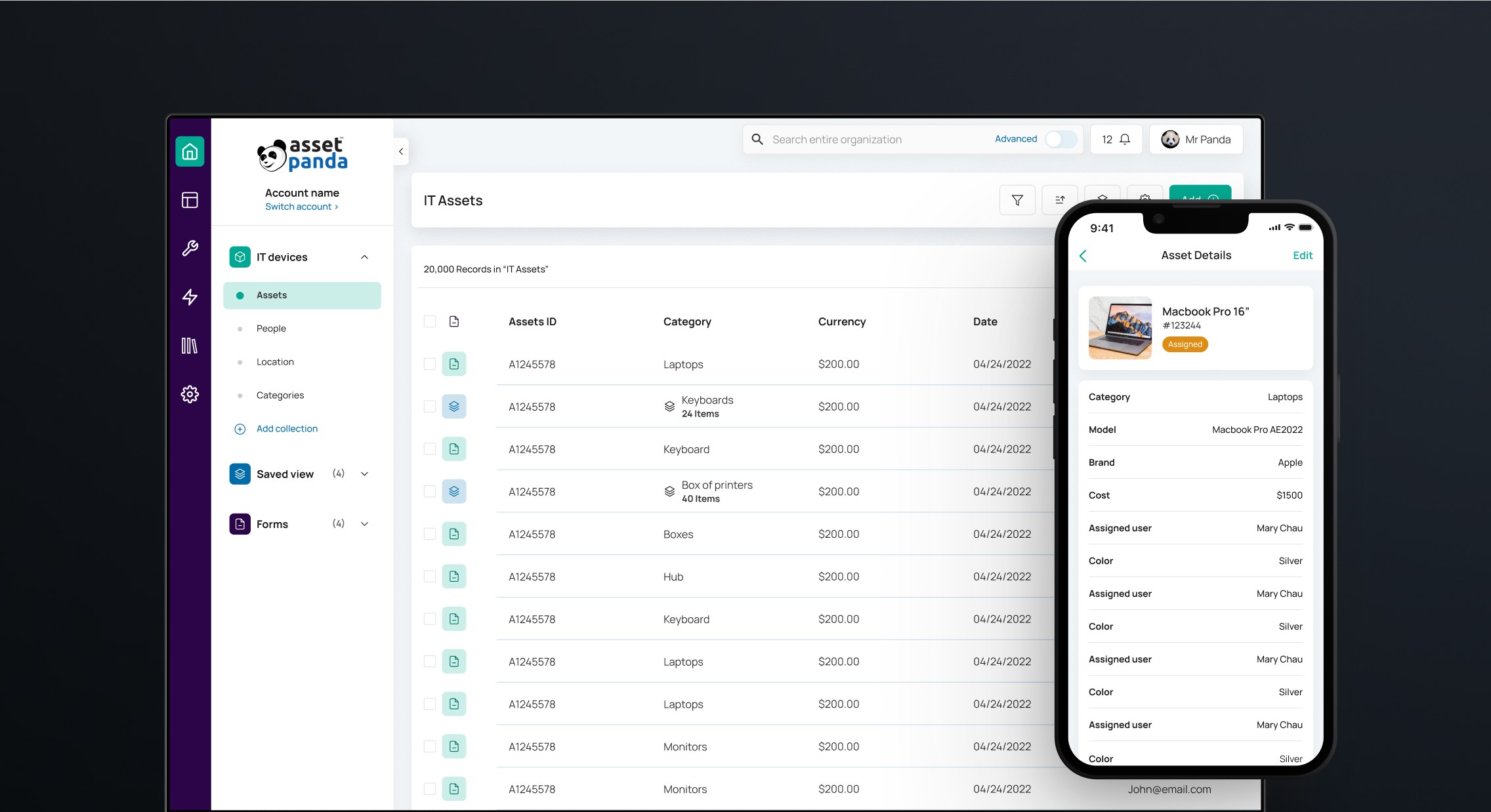
Asset Panda is a powerful asset management platform used by organizations of all sizes — from local teams to enterprise-level operations. As the product evolved, its flexibility became both its strength and its complexity. Different industries, workflows, and user roles were interacting with the same system in very different ways.
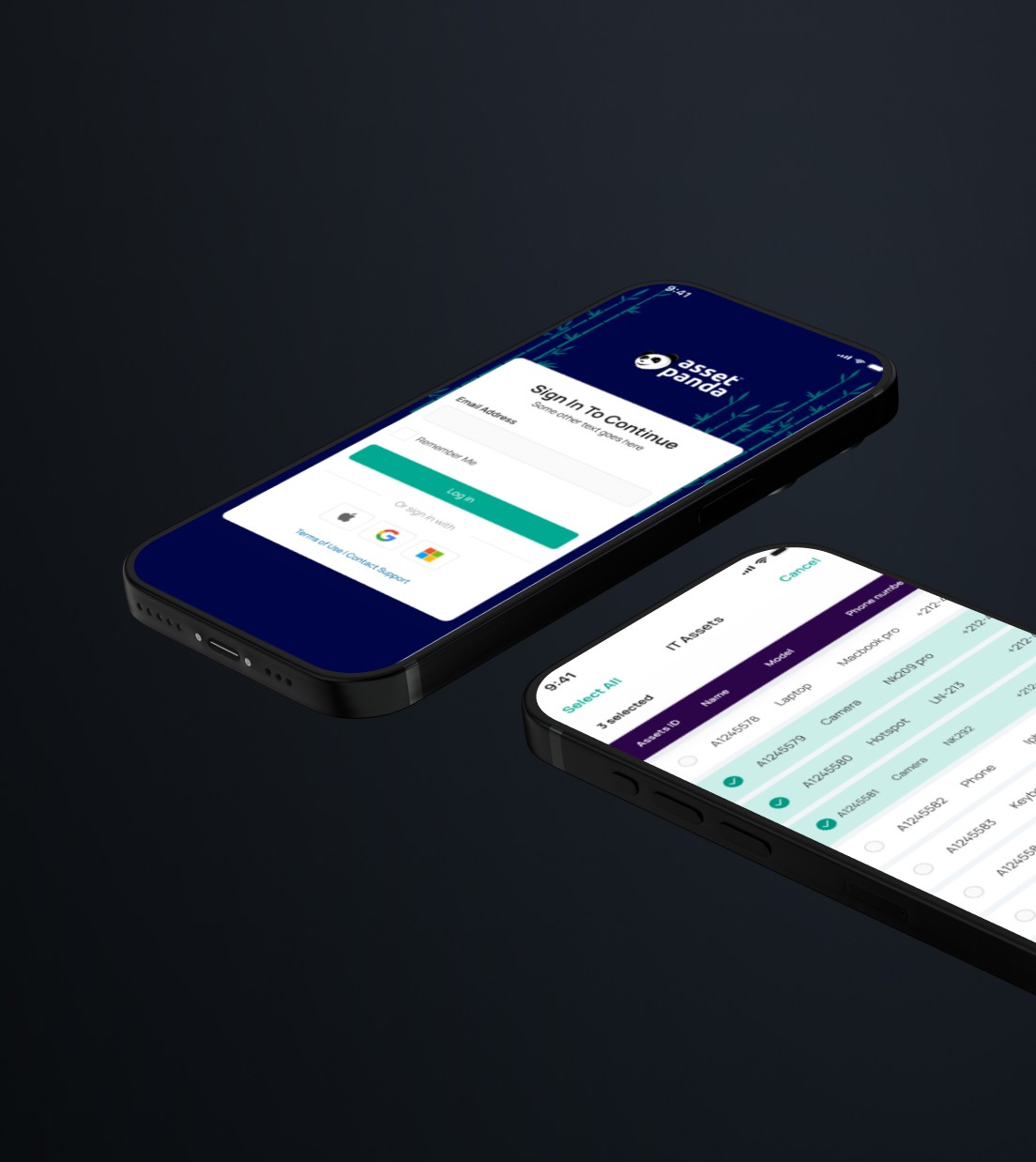
The primary goal of this engagement was to craft an agnostic asset tracking app, strategically aimed at broadening the customer base. Beyond this, our design efforts included incorporating additional functionalities while seamlessly supporting the full spectrum of features from the existing version. The ultimate outcome is an empowered user experience, where individuals can significantly reduce the time required for asset management, effortlessly maintaining accurate records with minimal effort.
B2B SaaS
Modular UX Systems
Operational Workflows
THE PROBLEM
Designing for an Agnostic System at Scale
Asset Panda was evolving into a truly agnostic asset management platform capable of supporting multiple industries, company sizes, and organizational structures. The challenge was not visual inconsistency, but structural complexity: the product needed to work for different roles, hierarchical organizations, and any type of trackable entity, all within a single flexible system.
Multi-Role & Multi-Scale Complexity
The platform had to support fundamentally different user behaviors — from field operators executing quick actions to managers overseeing multi-location operations and administrators configuring permissions. These roles required different levels of visibility and control, yet relied on shared system logic. At scale, nested company structures introduced additional complexity in data access, inheritance, and cross-entity reporting.
Agnostic Assets & Lifecycle Variability
Unlike vertical-specific tools, Asset Panda needed to track virtually any asset type. Each asset could follow a different lifecycle, moving through custom states defined by the organization. Designing for this variability required a modular architecture capable of adapting to changing workflows, lifecycle stages, and configuration rules without sacrificing clarity or consistency.
APPROACH
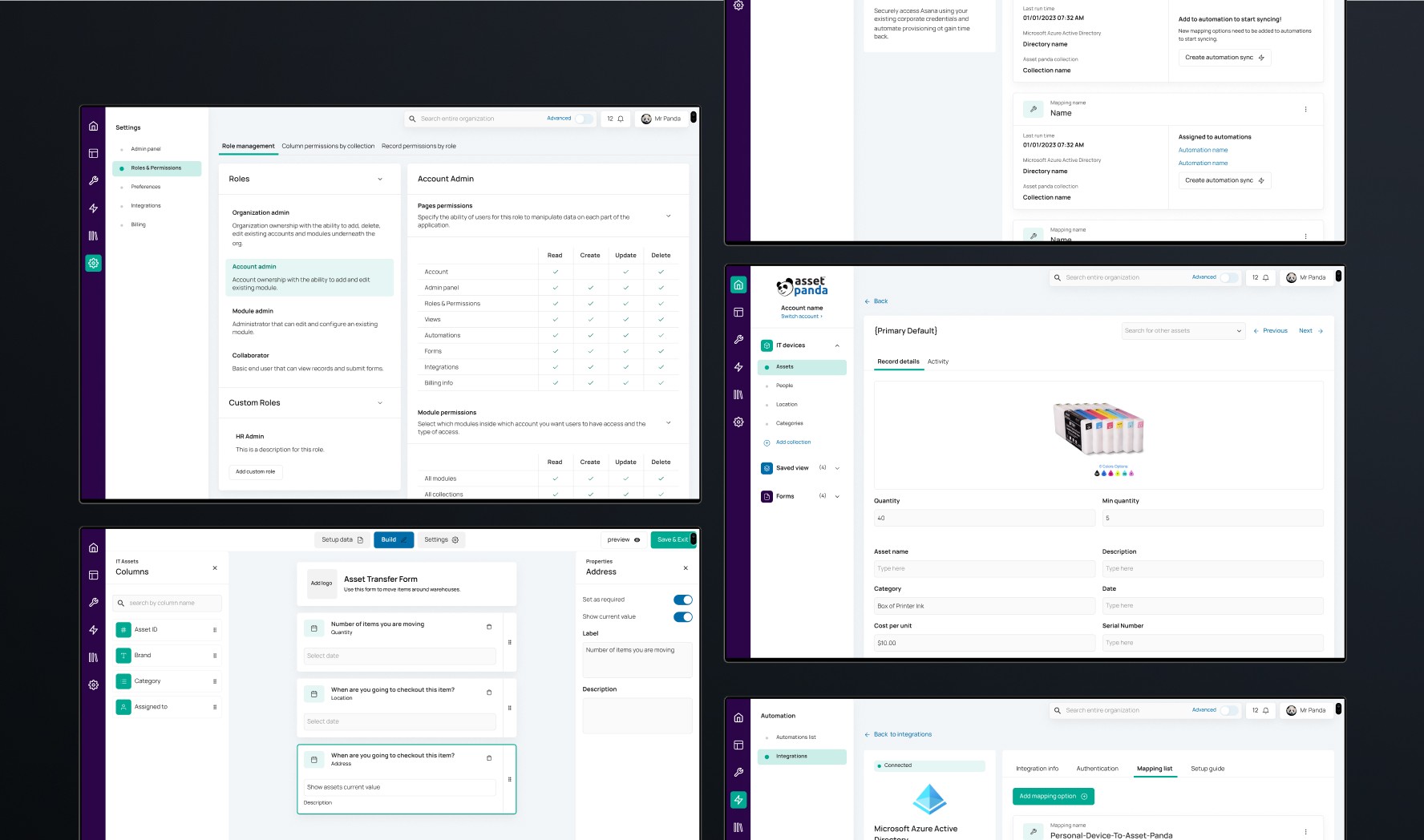
Building a Role-Aware, Modular System
To achieve our goal, we aimed to create a modern and sleek website design that improved user experience, increased engagement, and better reflected the brand's identity. Our team worked closely with the client to ensure that every aspect of the website aligned with their vision and business objectives.
ROLE-BASED INTERACTION FRAMEWORK
Mapped user intent across operators, managers, and administrators to define consistent action hierarchies and reduce decision fatigue.
PREDICTABLE SYSTEM FEEDBACK
Standardized confirmation states, bulk-edit behaviors, and status updates to eliminate ambiguity and increase confidence during critical actions.
MODULAR EXPERIENCE ARCHITECTURE
Redefined screen structures into reusable modules that could adapt across asset types, workflows, and industries without duplicating logic.

RESULTS
Refine user actions without compromising functionality.
In operational SaaS platforms, structural clarity has a greater long-term impact than visual polish. By aligning system logic, interaction patterns, and feedback states, the experience became easier to learn, faster to execute, and more scalable.
USER PERFORMANCE IMPACT
Reduced friction in bulk operations and asset updates improved task confidence and lowered error frequency across tested workflows.
PRODUCT & BUSINESS IMPACT
A more predictable system increased adoption of advanced features, reducing dependency on manual workarounds and external tracking tools.
ORGANIZATIONAL IMPACT
The modular framework reduced rework in future feature releases and established a scalable interaction standard across web and mobile.