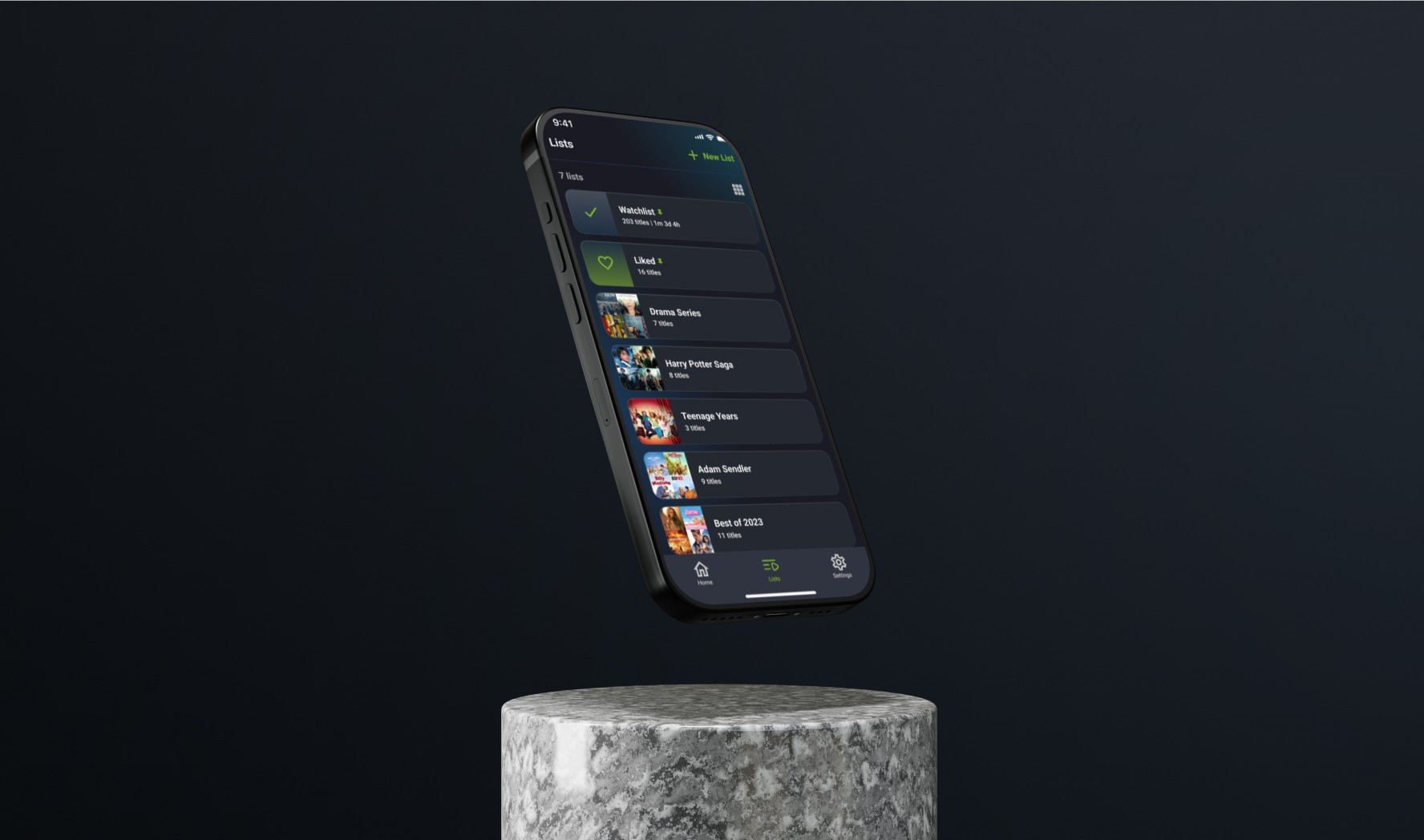
Designing a Social-First List & Discovery System for Streaming Users
From fragmented discovery to structured, collaborative curation.
INTRODUCTION
Client
Viewfinder by Promptu
Role
Design & Research
Timeline
12 weeks
Website
viewfinder.com
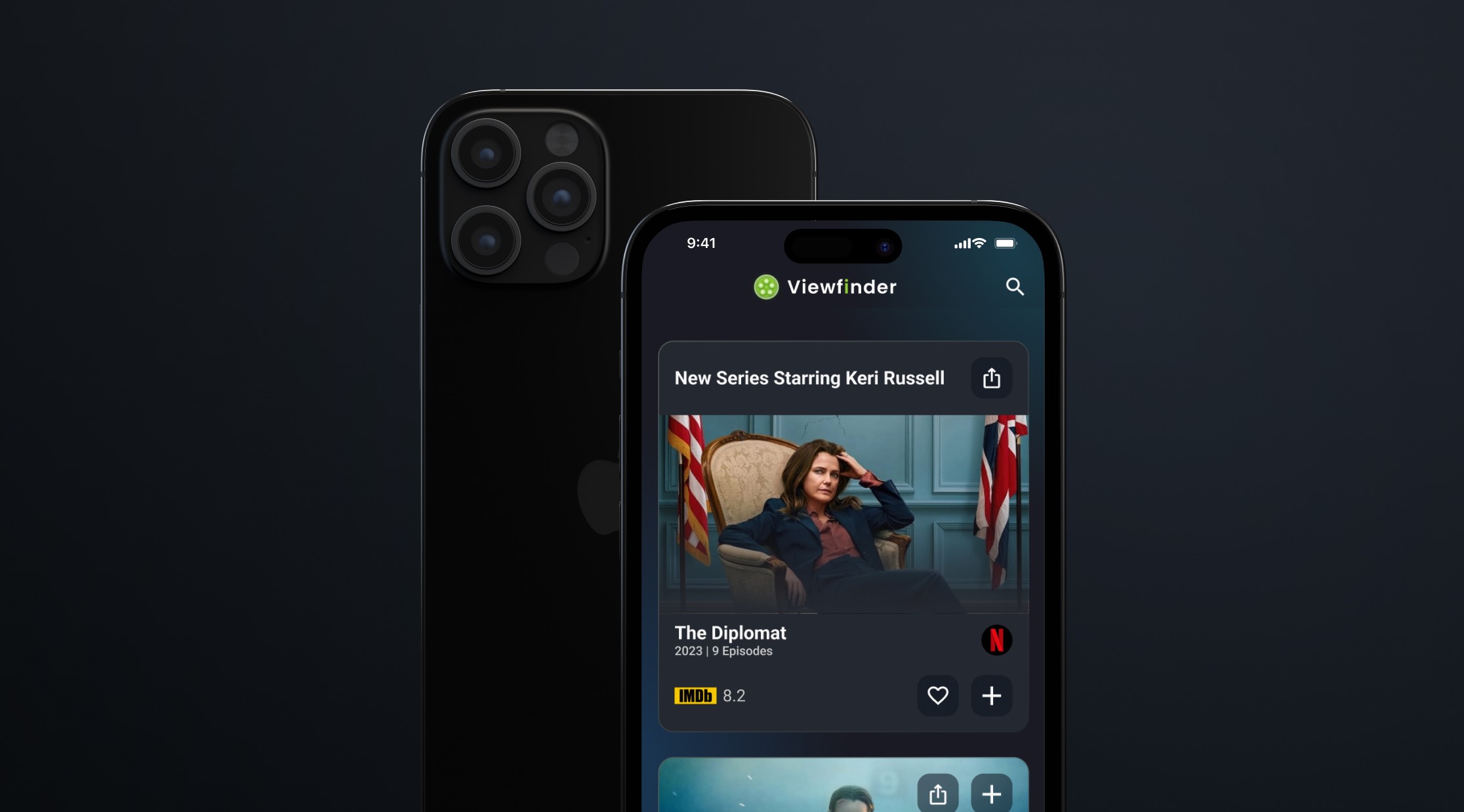
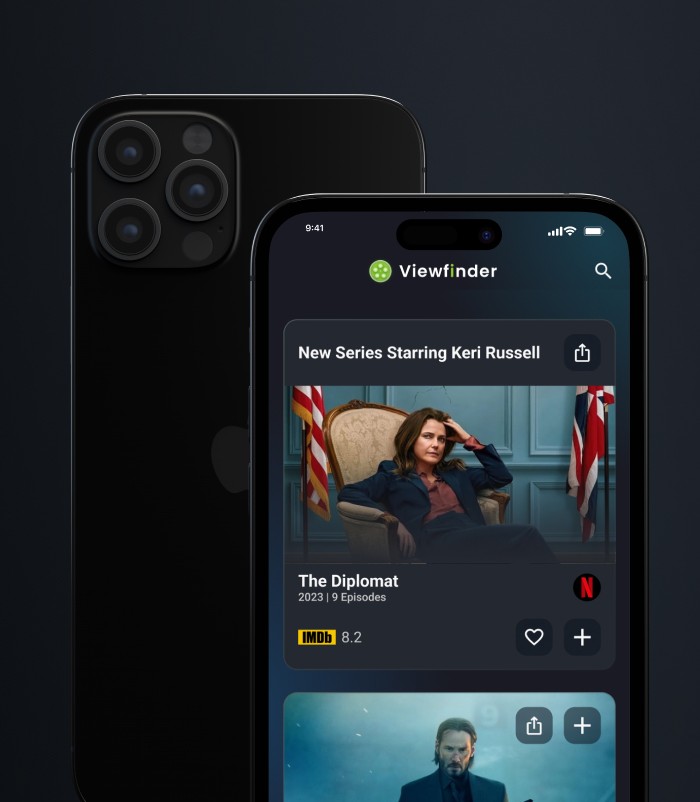
Viewfinder is a movie and TV discovery platform designed to help users track, organize, and share what they watch. While the core functionality was solid, the experience lacked structural depth: list management was limited, social mechanics were fragmented, and interaction patterns didn’t scale for more engaged users.
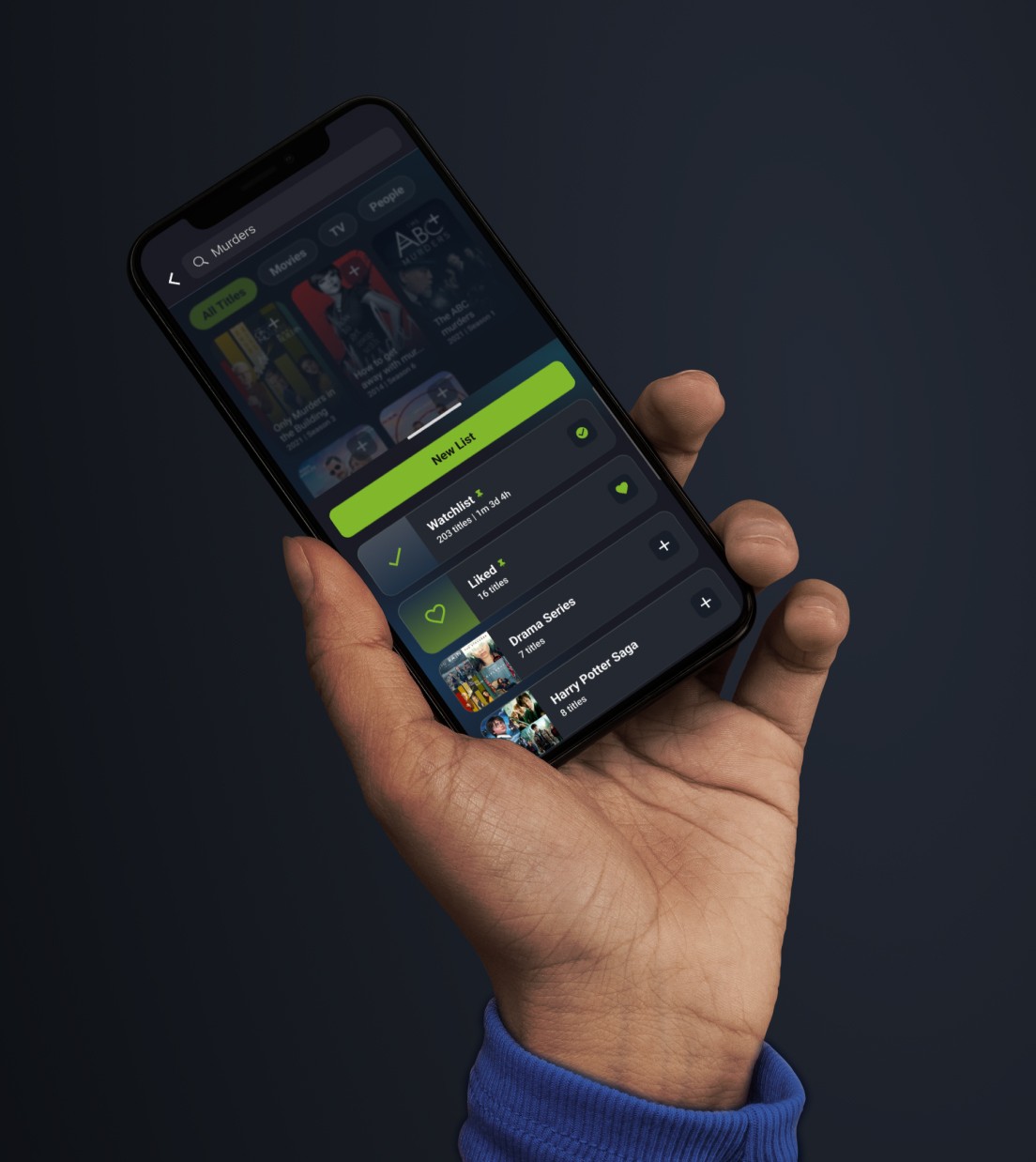
The redesign focused on transforming Viewfinder from a simple tracking tool into a structured content curation ecosystem. By rethinking list architecture, interaction models, and social layers, the goal was to create a flexible system that supports both casual users and power curators without increasing cognitive load.
Content Discovery
Product Strategy
Consumer App (B2C)
THE PROBLEM
Overchoice, Low Trust & Fragmented Discovery
As streaming platforms multiplied, users developed a paradoxical behavior: they had access to more content than ever, yet struggled to confidently decide what to watch. Research revealed that genre alone was insufficient, algorithmic recommendations were mistrusted, and users frequently left apps to validate decisions elsewhere.
CRITICAL USER FRICTION
Users relied heavily on external validation (Google, friends, social media) before committing to a title. Ratings were not enough; context, mood, and social proof heavily influenced decisions. Discovery felt passive rather than intentional.
SYSTEM & STRUCTURAL GAPS
Navigation patterns did not clearly communicate value for new users. Watchlists, streaming availability, and categorization lacked clarity, increasing cognitive load and slowing down decision-making. Users wanted curated, contextual content. not just more options.
APPROACH
Reframing Viewfinder as a Curated Decision Engine
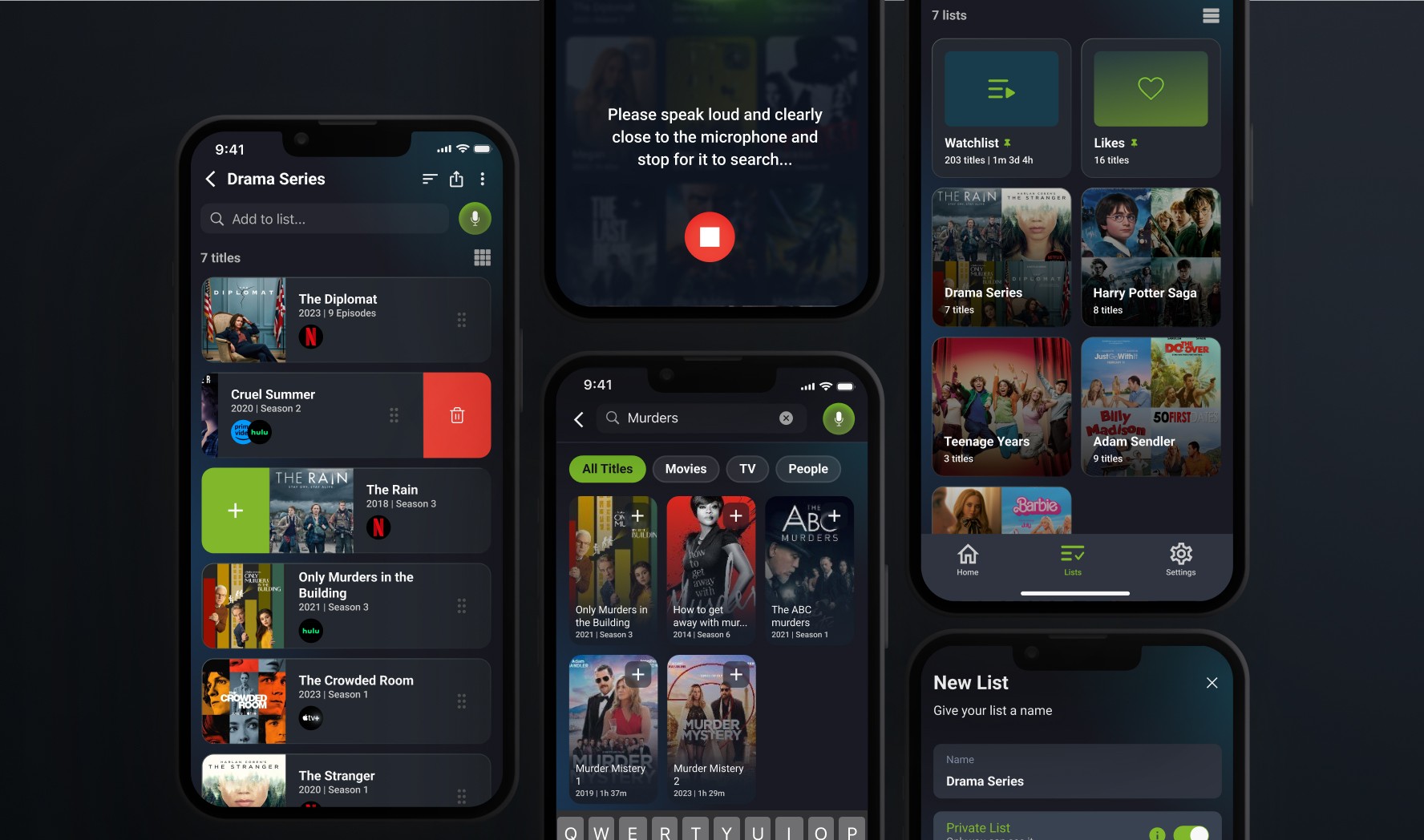
Rather than redesigning screens superficially, the focus was on restructuring the product around how people actually choose content. The strategy centered on three pillars: contextual filtering, trust building, and social reinforcement.
CONTEXTUAL DISCOVERY
Introduced clearer genre filtering, mood-based logic, and platform-based segmentation to reduce exploration time and align content with real-life viewing circumstances.
TRUST & VALIDATION
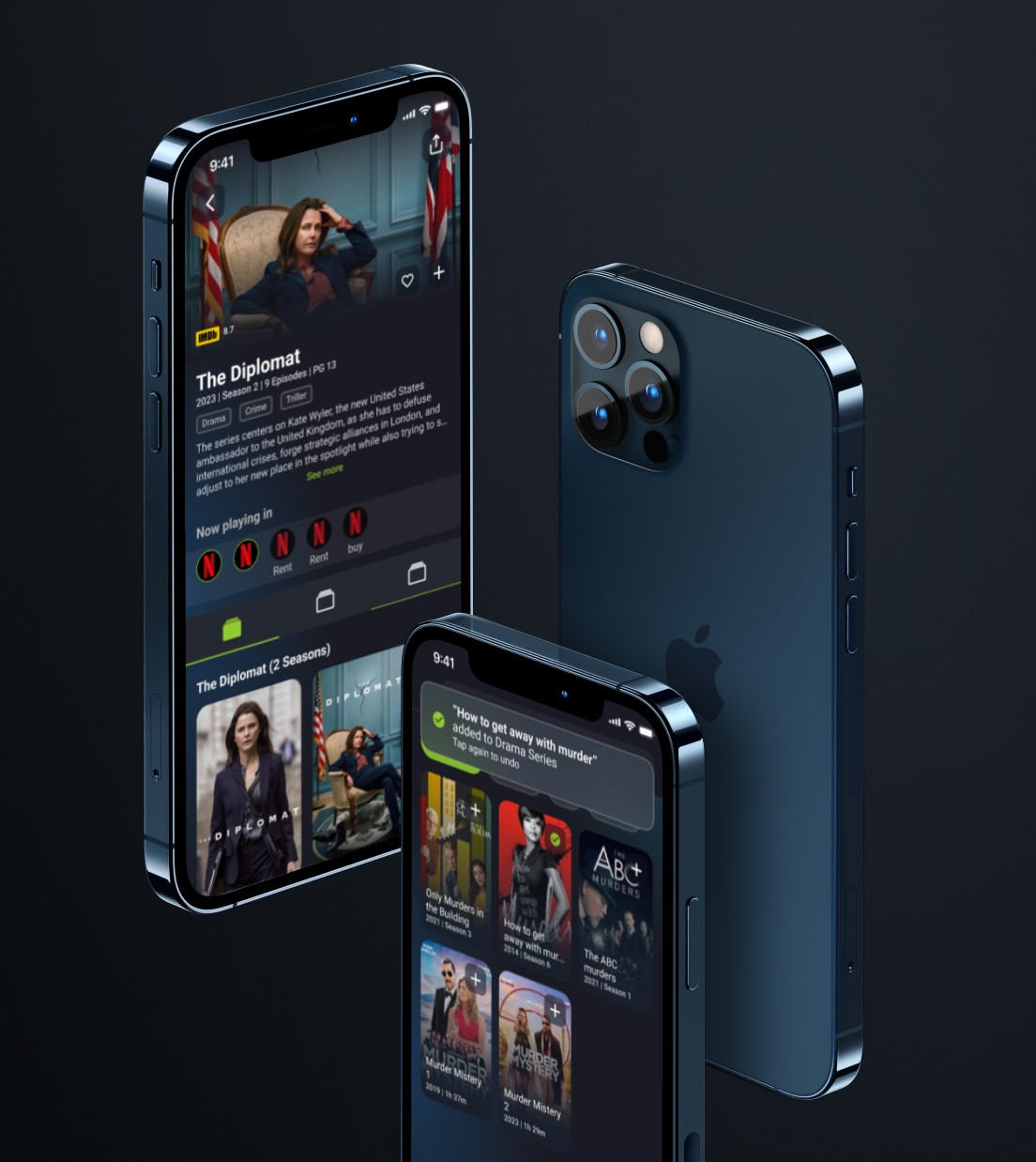
Integrated richer signals beyond basic ratings: social cues, potential for sharing, clearer streaming availability, and structured categorization to reduce uncertainty before committing.
STRUCTURAL CLARITY
Simplified watchlist flows, clarified entry points, improved onboarding expectations, and reduced ambiguity around key icons and actions.
RESULTS
A More Confident & Efficient Selection Experience
By aligning the product with real user behavior instead of assumed behavior, the platform shifted from passive browsing to guided decision-making.
USER BEHAVIOR IMPACT
Improved clarity around streaming services and categorization reduced friction during content selection and decreased reliance on external validation.
ENGAGEMENT IMPROVEMENT
Clearer watchlist flows and improved add-to-list mechanics increased interaction consistency and reduced confusion among first-time users.
DECISION SPEED
Enhanced filtering logic and contextual segmentation reduced time-to-selection during usability testing, especially for users watching with others.